
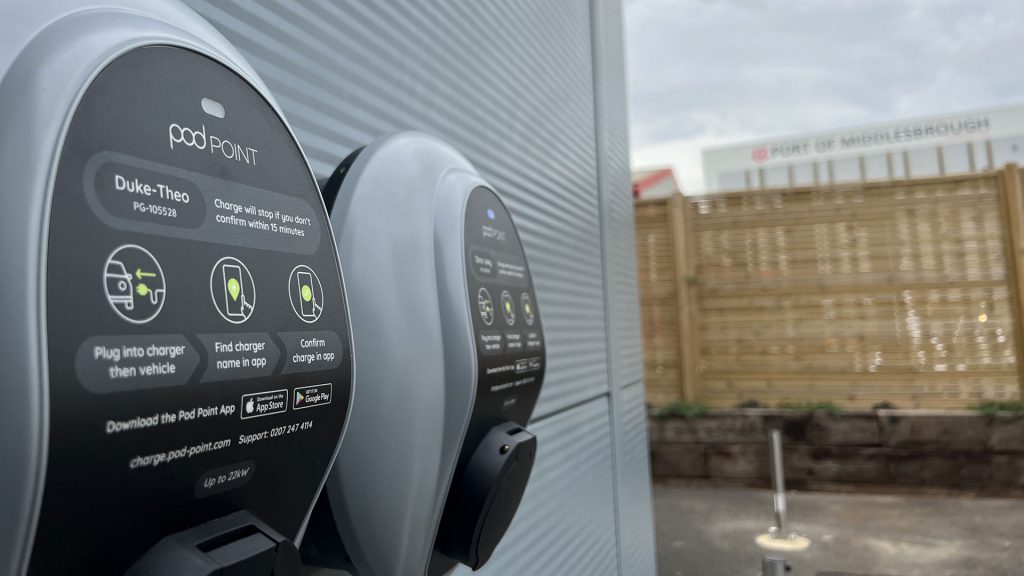
Choosing an installer should involve more than comparing the cheapest quote. The wrong choice could leave you paying unexpected costs, dealing with unsuitable equipment or arranging remedial electrical work later.
If you are researching how to choose an EV charger installer, look at qualifications, EV-specific experience, the checks carried out before installation and what happens once the work is finished. A good EV charger fitter should be able to explain why a particular charging unit suits your car, property and everyday driving rather than simply selling you the charger they normally fit.
This guide explains what to check before booking an EV charger installation, which questions to ask and which warning signs should make you think twice.
How Do You Choose an EV Charger Installer?
Choose a qualified electrician with experience installing EV chargers who will assess your consumer unit, power supply, parking arrangements and proposed cable route before confirming the work.
Ask what electrical certification you will receive, whether Distribution Network Operator notification is required and what the warranty covers. If you intend to use an eligible government grant, check whether the company is an OZEV approved installer for that scheme. A detailed survey and written quote are better indicators than price alone.
What Qualifications Should an EV Charger Fitter Have?
Installing an electric car charger is specialist electrical work. Your installer should have the competence required to safely install the charger and understand the electrical requirements associated with electric vehicle charging.
Do not rely purely on logos shown on a website. Ask the installer which electrical registration or competent person scheme they belong to and check the details with the relevant scheme if you want additional reassurance.
OZEV approval is slightly different. An installer does not need OZEV approval for every private installation, but the relevant approved installer requirements apply when certain government grants are being claimed.
Can a Normal Electrician Install an EV Charger?
A general electrician may be able to install an EV charger if they have the appropriate competence and understand the requirements of EV charging installations.
If you are wondering whether a normal electrician can carry out the work, ask how many charger installations they regularly complete and how they handle load assessment, earthing, certification and DNO requirements.
The important point is not whether someone describes themselves as an EV specialist. It is whether they can demonstrate the electrical knowledge and experience required to safely complete the installation.
What Should Be Checked Before EV Charger Installation?
A professional home EV charger installation should start with an assessment of your property and proposed charging location.
Your installer should look at your consumer unit or fuse box, available power supply, existing energy usage and the route required for the electrical cable.
They should also establish whether you have private off street parking, where the car normally sits and whether additional cabling or groundwork could be required.
For example, a house with a driveway immediately beside the consumer unit may suit a fairly straightforward standard installation. A detached garage 20 metres from the house could involve a longer cable route, additional electrical work or groundworks, which can increase the final price.
This assessment should happen before you agree to the work rather than becoming an unexpected conversation on installation day.
Once you know what to look for, you can explore UCS Renewables’ EV charging installation services to see the options available for homes and businesses.
Which Home EV Charger Is Right for You?
The right EV charger depends on your electric vehicle, available electrical supply and charging habits.
Many UK homes use a 7kW home charger, which can provide convenient overnight charging without requiring the capacity associated with much faster commercial charging equipment.
Your installer should explain your options rather than assuming the same charger suits every customer.
Tethered Charger or Untethered EV Chargers?
A tethered charger has its cable permanently attached. You park, plug the car in and start charging without taking a separate cable from the vehicle.
Untethered EV chargers use your own cable. Some homeowners prefer this because the charging unit can look tidier when it is not in use and it can offer more flexibility around different connectors.
When comparing tethered EV chargers with untethered chargers, think about convenience, where the unit will sit and how frequently you charge at home.
Are Smart Chargers Worth Considering?
Modern smart chargers can give EV owners more control over when their vehicle charges and how much electricity it uses.
Charging can often be scheduled during off peak hours, potentially making cheaper charging available where the household’s electricity tariff supports it. This can be particularly useful if you currently use a standard variable tariff and are considering moving to an EV-specific tariff.
Some chargers communicate through wifi or a mobile app, so ask to see how the controls work before choosing your EV charging solution.
How Much Does EV Charger Installation Cost?
The EV charger installation cost can vary depending on the charger, cable route, property and existing electrical setup.
A straightforward car charger installation close to the consumer unit will normally involve less work than a project requiring a long cable run, groundwork or upgrades to the electrical supply.
When comparing quotations, ask for the charger and installation costs to be clearly separated. You should also understand which additional costs might apply.
If you are asking how much does it cost to fit a charger, an installer should be able to explain what is included in the quoted price rather than simply providing a headline figure.
This is why the cheapest quote is not always the one that will ultimately save money.
What Are the Warning Signs of a Poor EV Charger Installer?
There are several signs worth questioning before agreeing to an installation.
Be cautious if an installer provides a firm quote without asking anything about your consumer unit, parking space or cable route. The same applies if they cannot explain what certification will be provided after the work.
Other warning signs include vague exclusions in the quote, pressure to buy one specific charger without discussing alternatives and no explanation of whether DNO notification might be required.
You should also question an installer who cannot clearly explain the warranty on the charger installation or who treats potentially necessary upgrades as something to discuss only after work begins.
A good installer will usually welcome questions because the answers help both sides understand the job before work starts.
What Should You Receive After Your EV Charging Point Is Installed?
Once your EV charging point has been installed, the job should not simply end when the charger switches on.
Ask what electrical documentation you will receive and retain it with your household records. You should also receive information about the charging unit warranty and instructions for using any smart charging functions.
Where required, your installer should also deal with the relevant Distribution Network Operator notification or application.
The DNO is the organisation responsible for the electricity distribution network in your area. This is generally more relevant to a domestic installation than contacting the National Grid directly.
Keep your installation paperwork somewhere accessible. It may be useful if you sell the property, make a warranty claim or need to speak with your home insurance provider in future.
Do You Need Off-Street Parking for a Home EV Charging Point?
Most conventional home EV charging installations are easiest where you have a driveway or another private parking space beside the property.
If you rely on on street parking, do not assume you can simply run a cable across the pavement. Requirements can vary between areas and your local authority or local council may need to be involved.
Specific support is available for some eligible households without off-street parking, while separate schemes can support eligible flat owners and renters.
Check the current rules before paying for equipment so you know whether the proposed setup is practical and permitted.
Are Government Grants Available for EV Charging?
Government support is still available for certain homes, rental properties, workplaces and parking situations, although eligibility varies.
From April 2026, several EV chargepoint grant schemes provide eligible applicants with support towards installation costs, subject to scheme conditions.
This means being an OZEV approved installer can matter where a grant is being used, but it should not be confused with the electrical competence needed to carry out the work itself.
Always check the current GOV.UK criteria before arranging an installation, as schemes and eligibility rules can change.
Can Solar Panels Help With Home EV Charging?
Yes. Solar panels can contribute electricity towards home charging while the solar system is generating.
How much electricity reaches your car will depend on solar generation, household demand, charger settings and when the electric car is plugged in.
If you already have solar, tell your installer before choosing a charger. Some charging equipment can make better use of available solar generation and can form part of a wider home energy setup.
You can learn more about how household solar generation works through UCS Renewables’ residential solar solutions.
Battery storage may also help households control when generated electricity is used.
Is Home Charging Better Than Public Charging?
For many EV owners with suitable parking, a home EV charging point is more convenient for everyday driving than relying solely on public charging points.
You can leave the car charging overnight and potentially take advantage of lower electricity prices without making a separate journey to a charger.
Public charging remains important for longer journeys and drivers who cannot charge at home. The best combination depends on your mileage, access to parking and the charging speed you need.
As more zero emission vehicles and other low-emission vehicles appear on UK roads, home charging is likely to remain an important part of everyday EV ownership.
Choose an Installer Who Can Explain the Whole Job
Knowing how to choose an EV charger installer comes down to finding someone who can explain the entire process clearly.
You should know which charger is being fitted, why it suits your electric vehicle, whether your electrical supply needs any work, what the installation will cost and what documentation you will receive afterwards.
Price matters, but it should sit alongside safety, competence and long-term practicality.
If you are considering having an EV charger installed, speak to UCS Renewables about your car, property and charging requirements. We can help you understand the available EV chargers and what your installation involves before you decide how to proceed.